
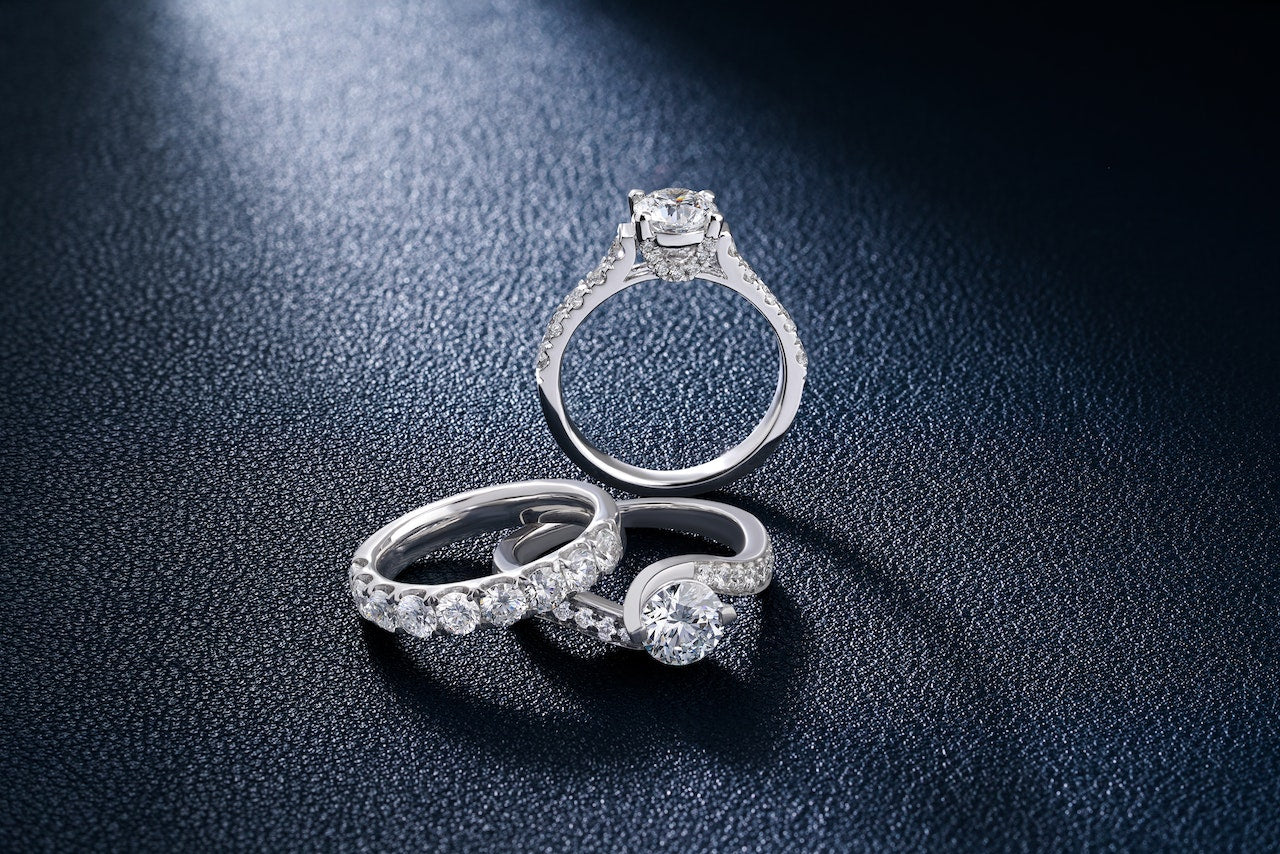
Diamonds have long been symbols of love, luxury, and timeless beauty. For centuries, natural diamonds mined from the earth were the only option. But in recent times, technology has introduced an alternative: lab grown diamonds. This raises an important question for today’s buyers — lab diamonds or mined, lab made diamonds, which choice makes the most sense?
Consumers are increasingly curious about the differences, similarities, and implications of each option. To help you make an informed decision, this article explores how diamonds are created, their environmental and ethical impacts, pricing differences, and what buyers should consider before choosing between natural and laboratory-created stones.
How Diamonds Are Formed: Nature vs. Science
Mined Diamonds
Mined diamonds are formed deep within the Earth’s mantle over billions of years. Extreme heat and pressure transform carbon into crystalline structures that eventually make their way closer to the surface through volcanic eruptions. Extracting them requires extensive mining operations, often involving large-scale excavation.
Lab Made Diamonds
Lab made diamonds, on the other hand, are created in controlled environments using advanced technology. Two main methods dominate the industry:
High Pressure High Temperature (HPHT)
This method mimics the Earth’s natural diamond-growing process by applying intense pressure and heat to carbon.
Chemical Vapor Deposition (CVD)
This process uses carbon-rich gas in a chamber to grow diamond crystals layer by layer.
The result is nearly identical to a mined diamond in chemical composition, hardness, and brilliance. In fact, even experts often need specialized equipment to distinguish between the two.
Ethical and Environmental Considerations
One of the driving forces behind the growing demand for lab grown diamonds is their ethical appeal. Traditional diamond mining has historically been linked to issues such as unsafe labor conditions, environmental degradation, and the financing of conflict in certain regions (often referred to as “blood diamonds”). While the diamond industry has made strides in implementing ethical sourcing programs, concerns remain for conscious consumers.
Lab made diamonds sidestep many of these issues. Because they are grown in laboratories rather than extracted from mines, they generally leave a smaller ecological footprint. There’s no large-scale land disruption, fewer carbon emissions, and no direct connection to exploitative labor practices.
That said, laboratory creation isn’t completely impact-free. Producing diamonds in labs requires substantial amounts of energy, particularly in HPHT methods. However, as renewable energy adoption grows, many producers are working toward greener, more sustainable practices.
Cost Differences: What Buyers Can Expect
One of the most noticeable differences between mined and lab made diamonds is price.
- Mined diamonds: Their rarity, lengthy formation process, and the costs associated with mining make them significantly more expensive. Market demand and branding also play a role in maintaining higher prices.
- Lab diamonds: Because they can be produced on demand and in larger quantities, they generally cost 30–40% less than natural diamonds of similar size and quality.
This affordability makes lab grown stones attractive for buyers seeking maximum sparkle without stretching their budget. However, some argue that natural diamonds hold stronger long-term value due to their rarity and established place in luxury markets.
Quality, Appearance, and Perception
When it comes to beauty and durability, there is little difference between the two. Both mined and lab grown diamonds are graded according to the “4Cs”: cut, clarity, color, and carat weight.
- Appearance: Lab created diamonds display the same sparkle, fire, and brilliance as mined diamonds.
- Durability: With a hardness rating of 10 on the Mohs scale, both are equally scratch-resistant and long-lasting.
- Certification: Reputable grading institutions, such as the Gemological Institute of America (GIA) or the International Gemological Institute (IGI), provide certifications for both types.
The main difference lies in perception. Some buyers value the rarity and natural origin of mined diamonds, considering them timeless heirlooms. Others view lab diamonds as a modern, ethical, and eco-conscious alternative that better reflects their values.
Emotional Value and Symbolism
Diamonds often carry deep sentimental meaning, especially when tied to engagements, weddings, or family traditions. For many, the allure of a natural diamond lies in its billions-of-years-old origin—something irreplaceable by human technology.
For others, the emotional value comes not from age or origin but from what the diamond represents: love, commitment, and personal style. In this context, lab created diamonds fulfill the same symbolic role while aligning with contemporary ideals of sustainability and affordability.
Investment and Resale Value
Another factor to consider when deciding between lab diamonds or mined, lab made diamonds is resale potential. Natural diamonds, while not guaranteed to appreciate, traditionally hold stronger resale value due to their rarity and market history.
Lab diamonds, being more accessible and less rare, often depreciate more quickly. This doesn’t necessarily diminish their worth as jewelry, but it is worth considering for buyers interested in long-term investment.
Trends in Consumer Preference
The diamond industry is changing. A growing number of millennials and Gen Z buyers prefer lab grown diamonds because they align with their values of transparency, sustainability, and affordability.
Retailers are responding to this shift by expanding their offerings of lab created stones. Major jewelry brands now provide both options, signaling that the market views lab grown diamonds as more than just a passing trend.
At the same time, natural diamonds continue to hold prestige among collectors and traditional buyers who prioritize rarity and exclusivity.
Which Diamond Is Right for You?
Choosing between mined and lab made diamonds ultimately depends on personal priorities:
- Choose a mined diamond if: You value rarity, tradition, potential resale value, and the story of a stone formed over billions of years.
- Choose a lab made diamond if: You care about affordability, sustainability, ethical sourcing, and getting more carat size or higher quality within your budget.
Neither choice is inherently better than the other — they simply cater to different preferences and values.
Conclusion
The debate over lab diamonds or mined, lab made diamonds is not about which is “real” and which is not—both are genuine diamonds with the same dazzling qualities. The real difference lies in their origin, cost, environmental impact, and emotional significance.
As technology advances and consumer values shift, the jewelry market is embracing both options. Whether you choose a diamond born of the Earth’s natural processes or one crafted by human innovation, what matters most is the meaning it carries for you.

