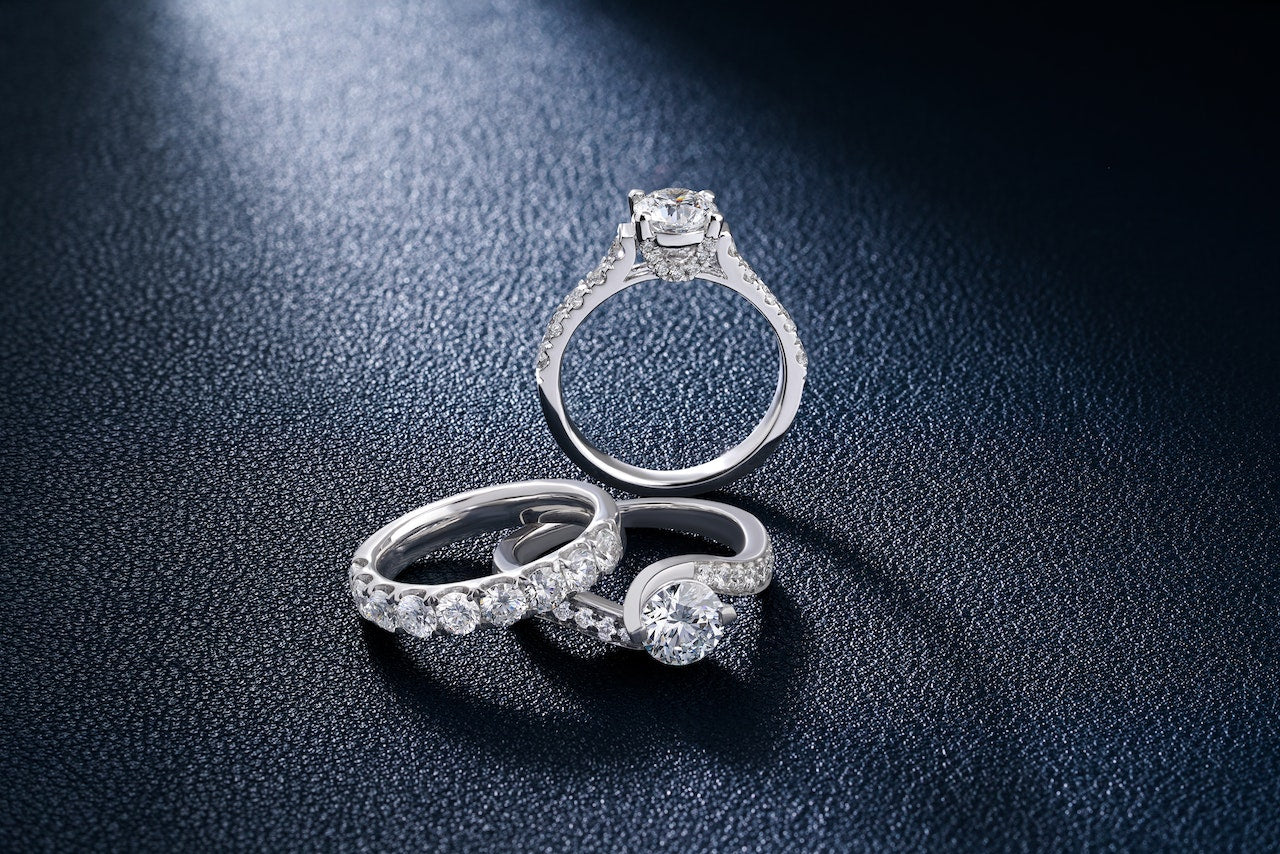

So here’s the thing. When it comes to engagement rings, earrings, or even that “just because” necklace, you’re faced with a choice that feels way bigger than it should. lab made diamonds vs real diamonds. Which one do you pick? Which one’s actually worth it? And—let’s be honest—does anyone besides you actually notice the difference?
Spoiler: the answer’s not as simple as you’d think.
The Story Behind the Sparkle
Think about it. Diamonds have been sold to us as the ultimate symbol of love, status, and timelessness for decades. All those Hollywood proposals and glossy magazine ads? Yep, they pretty much cemented the idea that “real” diamonds are the gold standard.
But here’s where it gets interesting. Lab diamonds (sometimes called lab grown or man made diamonds) aren’t knock-offs or fakes. They’re the real deal—same chemical structure, same sparkle, same hardness. The only difference? Instead of taking millions of years to form deep inside the earth, they’re grown in a lab in a matter of weeks.
Kind of wild, right? It’s like nature pressed “fast forward.”
And honestly, unless you’re carrying around a jeweler’s loupe (and let’s face it, who does?), you won’t be able to tell the difference. Even professionals sometimes need advanced tools to spot it. So if you’re worried someone at brunch is going to squint at your ring and say, “Hmm, is that lab made?”—don’t. It’s not happening.
So, What Are Your Options?
When it comes to lab diamonds vs real, it’s less about right vs wrong and more about what fits your story. Let’s break it down a bit:
- Price: Lab diamonds are usually 30–50% less expensive than mined ones. That means you can either save big or upgrade to a bigger stone. (Bigger doesn’t always mean better, but let’s be honest… sometimes it does.)
- Ethics: A lot of people like lab diamonds because they’re seen as more sustainable and conflict-free. The whole “blood diamond” issue has made some buyers cautious about mined stones.
- Tradition: For some, there’s just something about a mined diamond. The “it took millions of years to form” story carries weight, especially for sentimental types.
- Trends: More couples are ditching the old-school pressure of mined diamonds and leaning into lab-grown. It’s not just about saving money—it’s about saying, “Hey, this is our ring, and we’re not bound by old rules.”
Here’s a little mental picture. You’re at a dinner party. Someone compliments your ring. Do you want to say, “It’s a natural diamond from Botswana,” or, “It’s a lab diamond—pretty cool, right? Grown in a lab in just weeks.” Neither answer is wrong, it’s just about what feels more you.
The Local Angle
Now, depending on where you’re shopping, the choice can feel even more interesting. In some places, lab diamonds are still treated like the “new kid on the block.” Jewelers might push real diamonds harder because, let’s be real, the margins are higher.
But the tides are shifting. Younger buyers—especially millennials and Gen Z—are warming up to lab grown stones. And if you’ve been ring shopping recently, you’ve probably noticed how many stores now proudly display them side by side with natural diamonds.
It’s like sushi once upon a time. At first, people thought raw fish was “weird.” Fast forward, and now it’s everywhere. Lab diamonds are kind of on that path.
How Lab Diamonds Are Made (Without the Science Overload)
Okay, so here’s the part where people usually get lost in acronyms and technical jargon. But let’s keep it simple.
There are two main ways to grow a diamond in a lab:
-
HPHT (High Pressure, High Temperature): Basically, scientists recreate the intense heat and pressure that would naturally form diamonds underground. It’s like giving the earth’s process a high-tech shortcut.
-
CVD (Chemical Vapor Deposition): A tiny diamond seed is placed in a chamber, and carbon gas is pumped in until—boom—the seed grows into a full diamond layer by layer. Kind of like a 3D printer, but shinier.
That’s it. No giant machines that look like they’re from a sci-fi movie (well, okay, maybe a little). But the main idea is: same crystal structure, same outcome.
And yes, you can even get lab diamonds certified by the same grading labs that rate natural ones. Color, clarity, cut, carat—all those famous 4Cs apply equally.
So… Which One Should You Choose?
Here’s the truth. It comes down to you, your budget, and what feels right.
If tradition is important, maybe you’ll lean towards natural diamonds. If ethics, sustainability, or saving money matters more, lab grown might be your match. Neither choice is less meaningful. It’s still a diamond, still sparkly, still symbolic.
What I will say, though: don’t let anyone guilt-trip you into thinking one is “better” than the other. That whole superiority thing? It’s mostly marketing.