


Soil compaction is crucial step within the scope of building anything on top of the compacted surface due to the fact that compaction increases the soil’s load-bearing capacity, improves stability, and deformation of the surface is effectively avoided as compaction also reduces air voids between the particles in the soil.
In other words, soil compaction in essence creates or establishes a stronger base for just about any construction project which includes landscapes, buildings, roads and embankments among others as compaction minimizes settlement which is critical towards the prevention of structural failures. Apart from that, compaction also plays an important role in controlling water drainage and reducing potential erosion as permeability is regulated with compaction.
The theory and physics behind compaction is rather simple as it basically involves bringing soil particles as closer together as possible which naturally enhances the ability of the surface of compressed soil’s to support heavier loads. Basically, when particles are brought closer together the potential for volume change (attributed to swelling or shrinking) is reduced greatly and much less settlement occurs overtime which is crucial towards maintaining the stability of anything built on these surfaces.
The enhanced strength of the compacted soil renders the compacted soil more resilient which improves the soils resistance to deformation or sliding. Soil compaction within the scope of civil engineering is deemed as the most critical step in constructing roads that last, creating strong embankments and stable buildings.
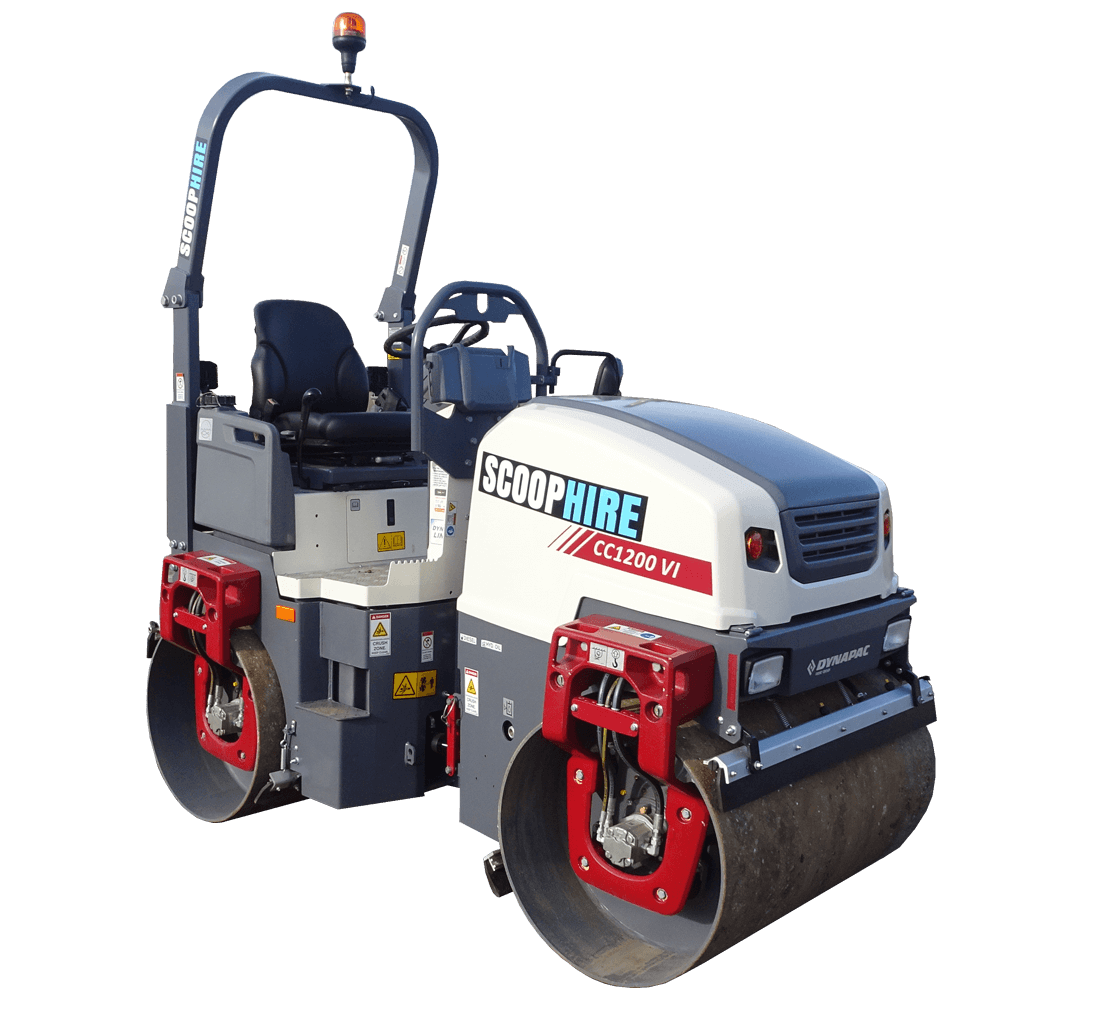
Generally, the compaction process involves a heavy machine that is fitted with a heavy cylindrical drum which is driven over the soil. When these heavy drums make contact with the soil the weight of the drums exert pressure on the soil which compresses the soil and reduces air pockets or water for that matter which increases the soil’s density exponentially. The type of rollers used on surfaces targeted for compaction may differ depending on the type of soil.
For instance, smooth drum roller hire machinery are used to compact soil that contain granular like materials such as gravel. On the other hand, for soil types that are mixed or fine grain soil particles engineers often use vibratory rollers. These vibratory rollers as the name suggests use drums that actually vibrate at a certain frequency as they move over surfaces.
The vibration causes the fine grain soil to ‘fall’ closer together. Other types of rollers that are used include what is known as the sheep’s-foot roller that has protruding “feet” which is essential towards deep compaction and used for grounds that mostly consist of clay. Pneumatic rollers are another category of rollers that use inflated tires for the compaction process and generally used for asphalt compaction and also for compacting landfills.
Most of these roller compactors are available for hire from almost any construction equipment rental company. The cost of renting roller compactors is dependent on three factors which are: the type of roller compactor, the size and of course, the duration (the longer the rental duration the lower the daily rental rates).